LEGAL INFORMATION SESSION FOR SURVIVORS OF CRSV and GBV
 cigpj
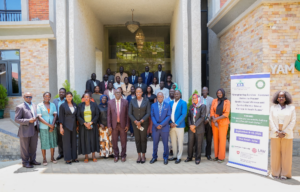
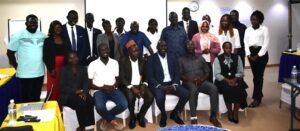
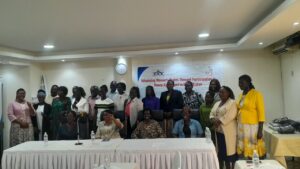
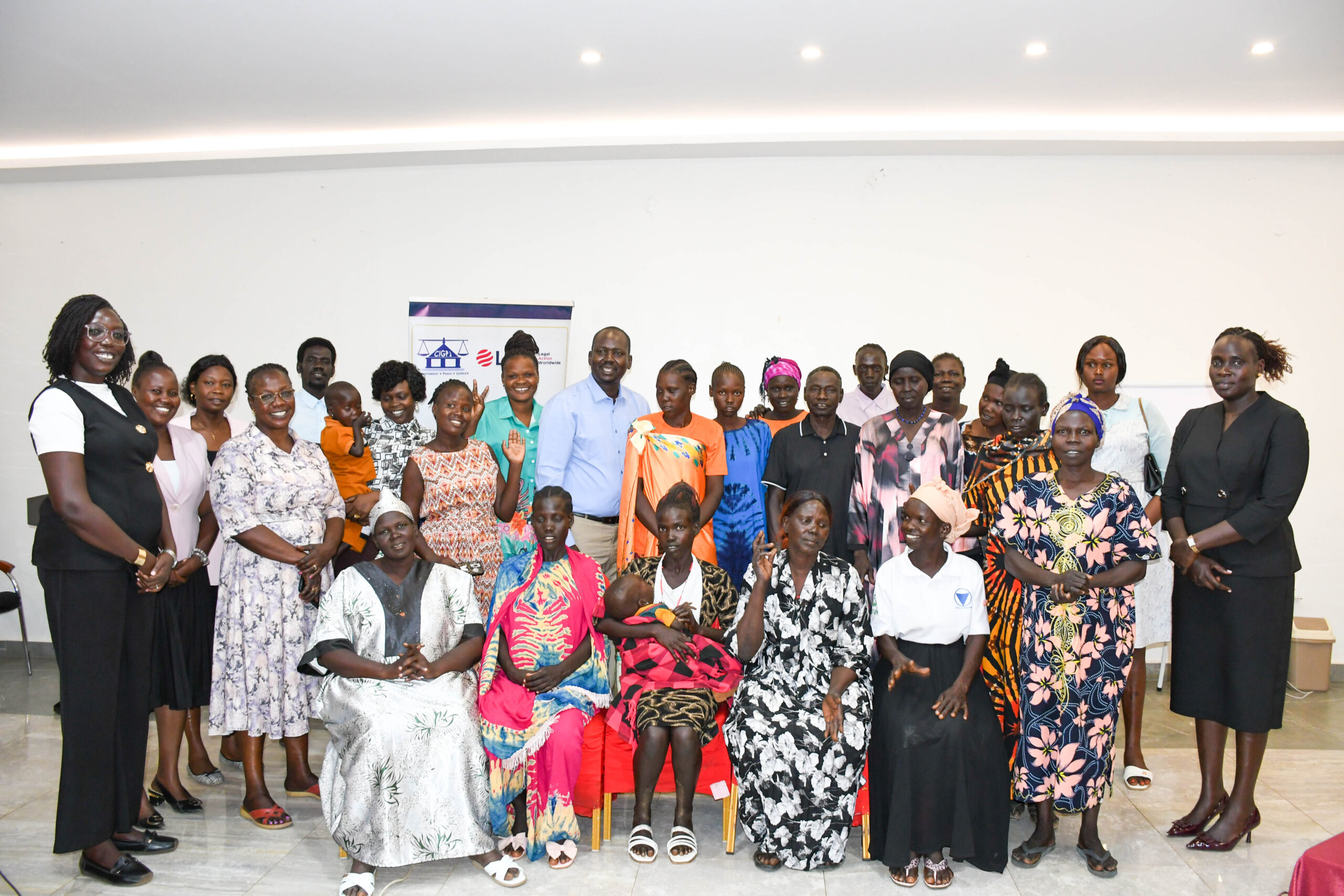
cigpjThe Center for Inclusive Governance, Peace and Justice (CIGPJ), in partnership with Legal Action Worldwide (LAW), held a two‑day legal information session at Yam Hotel in Juba from April 21–22, 2026. The workshop brought together 30 participants—mainly female survivors of Conflict‑Related Sexual Violence (CRSV) and Gender‑Based Violence (GBV) from Juba and Aru Junction—to strengthen their understanding of South Sudan’s transitional justice mechanisms under Chapter 5 of the Revitalized Agreement (R‑ARCSS).
Understanding Transitional Justice Institutions
The training introduced participants to the roles of the Commission for Truth, Reconciliation and Healing (CTRH) and the Compensation and Reparation Authority (CRA). Using pictorial guides and case studies from Rwanda, Sierra Leone, and The Gambia, facilitators demonstrated how truth commissions prioritize victims’ experiences, national healing, and historical truth—distinct from the punitive approach of formal courts.
Legal Processes and Survivor Protection
Participants explored the differences between judicial trials and non‑judicial truth‑seeking processes. Trainers emphasized the importance of obtaining National Identification Certificates (Genisia) to participate in either system. Practical simulations helped survivors understand how to request protective measures such as closed hearings or pseudonyms to safeguard their identities.
Psychosocial Support and Healing Approaches
Recognizing the link between justice and emotional recovery, the workshop introduced Cognitive Behavioral Therapy (CBT) techniques and the “4 A’s” stress‑management framework: Avoid, Alter, Adapt, and Accept. Survivors learned practical tools for managing trauma, intrusive memories, and stigma. The sessions reinforced that healing is strengthened through supportive community networks.
Survivor Voices and Key Recommendations
Participants shared personal experiences of land grabbing, displacement, and conflict‑related violations from the 2013 and 2016 crises. Many expressed concerns about corruption and impunity within formal justice systems. They recommended:
- Decentralizing future trainings to reach grassroots communities
- Using simpler, more accessible language
- Involving village chiefs and community leaders to strengthen local support for the Survivor Network (SUNS)
The workshop concluded with a collective call for survivors to move beyond the identity of victimhood and take on leadership roles within their communities.